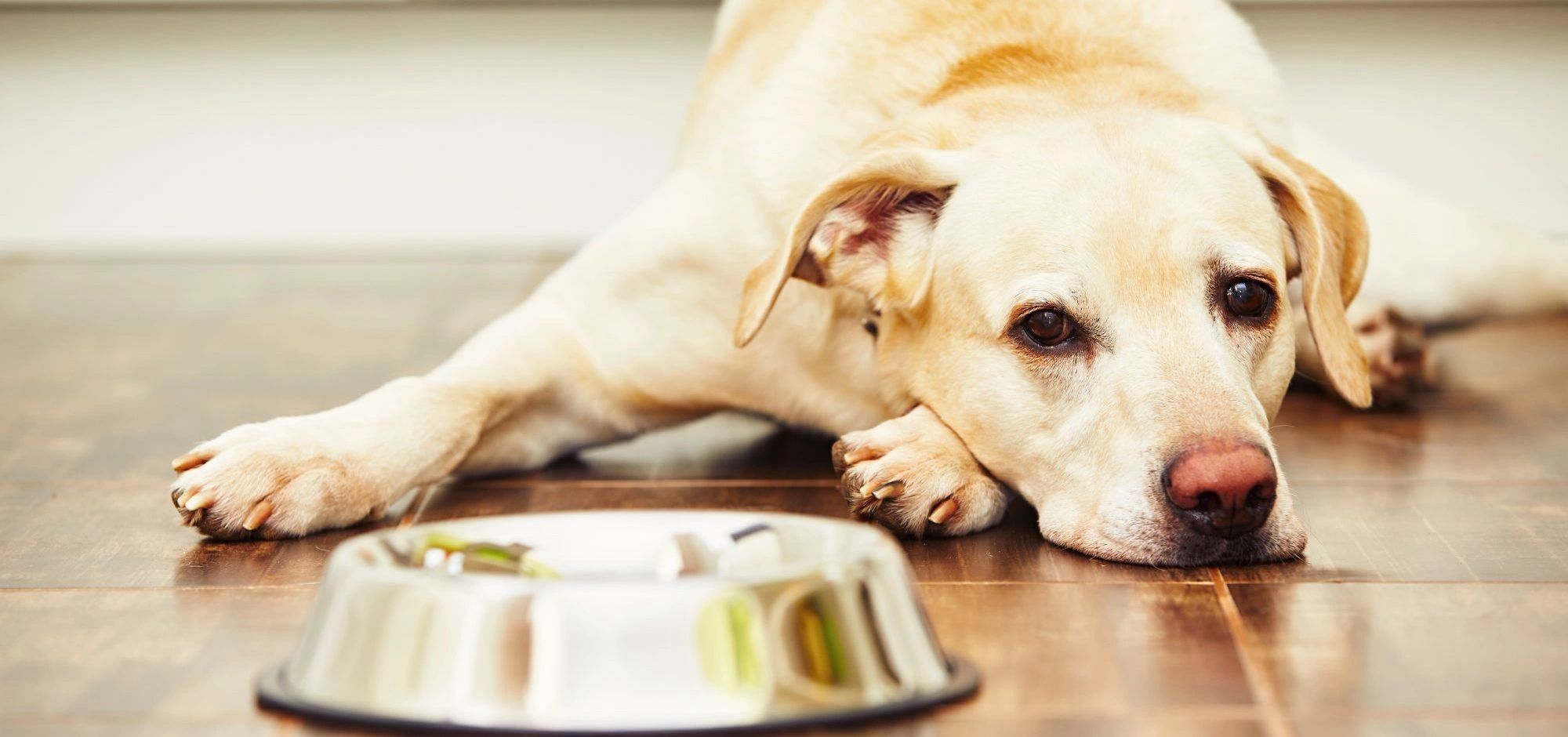
One of the most common and worrying situations dog owners
encounter is our beloved companion's disinterest in his food bowl. Questions
like, "Is he sick?" or "Did he not like his food?"
preoccupy us. So, what should we do when our dog isn't eating? Let's examine
the underlying causes and possible solutions.
1. Understanding Canine Nature: Wolves as Ancestors

My Dog Won't Eat! Why?
Gray wolves, the ancestors of dogs, hunted in packs in
nature and could go without food for days, even weeks. After a successful hunt,
the pack leaders were fed first, followed by the other pack members. This
natural process shows us that a dog going without food for 1-2 days, or even 3
days, isn't a serious problem. If our pet dog refuses the food offered daily,
it may be due to their inherent "hunger tolerance."
2. How Should We Respond to Refusal to Eat?
Give Your Dog Food, Remove If They Don't Eat: If you've
given your dog their food and they haven't eaten within 10-15 minutes, remove
their bowl. Don't give them anything until the next meal—no sausage, no yogurt,
no treats. This is the healthiest way to teach them the rules of mealtime.
Be Firm, Not Cruel: This rule may seem harsh, especially to
older family members. But remember, it's a matter of discipline. Expecting your
dog to comply with your rules is important for their health.
3. Other Natural Causes of Refusing to Eat
Some situations naturally cause your dog's appetite to
decrease. If their energy levels are high and they're exhibiting their usual
behavior, there's no need to worry.
Seasonal Changes: Dogs need more energy to maintain body
temperature in the winter and may eat less in the summer because their
metabolism slows down. It's normal to reduce the amount of food they eat in the
summer.
During Heat/Mating: The reproductive instinct may override
the food instinct. Temporary appetite loss may occur during these periods.
During periods of heavy shedding, the desire to eat may
decrease.
IMPORTANT WARNING: If your dog refuses to eat and also has
low energy, is reluctant to move, or is behaving differently than usual, this
could be a sign of illness. You should consult a veterinarian immediately.
4. What to Consider When Changing Food?
If you want to change your dog's food, don't do it suddenly.
This can cause serious problems in dogs with sensitive digestive systems.
Transition Period: Spread the food change over at least one
week.
- Days 1-2: 75% old food + 25% new food
- Days 3-4: 50% old food + 50% new food
- Days 5-6: 50% old food + 50% new food Day 7: 25% leftover food + 75% new food
- Day 7: 100% new food
Transition from Homemade Food to Food: If you're feeding
your dog leftovers (which is definitely not recommended), you can soften and
flavor the food with a little broth or yogurt when transitioning to dry food.
Reduce these additional ingredients over time to help your dog get used to dry
food.
5. General Recommendations
Order: Dogs love structure. Try to keep meal and outing
times consistent whenever possible.
Water: Always have clean, fresh water available. Adding a
tablespoon of apple cider vinegar to their water can be beneficial for their
digestive system and coat health.
Water Source: If possible, provide your dog with drinking
water (purified or bottled water).
Conclusion
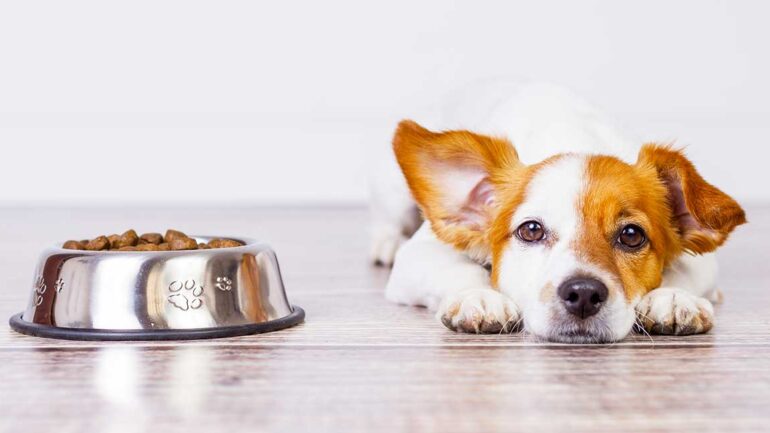
Your dog's refusal to eat is often part of their natural
cycle or a behavior that tests your rules. When you're firm and patient, even
the most stubborn dog will eventually follow your rules. However, if loss of
appetite is accompanied by lethargy, lethargy, or other abnormal symptoms,
consult your veterinarian immediately.
Remember, letting your dog "feel like a dog" and
allowing him to live that way is the foundation of a healthy and happy
relationship with him.
Take care of yourself and your four-legged friends!